May 11 2026 at 01:30PM
My PMP journey: Two Months on the Road, Over a Decade in the Making
What do you want to be when you grow up?
Let’s be honest, not many of us grew up aspiring to be Project Management Professionals. During the early days of my career in 2012, I was assigned a bunch of tasks that slowly snowballed into something that looked and felt like a project. To stay afloat (and sane), I began compiling reference materials, documenting step-by-step procedures, and building spreadsheets with stakeholder contact lists and columns filled with start dates, deadlines, and “Other Notes.” That’s how it all started for me.
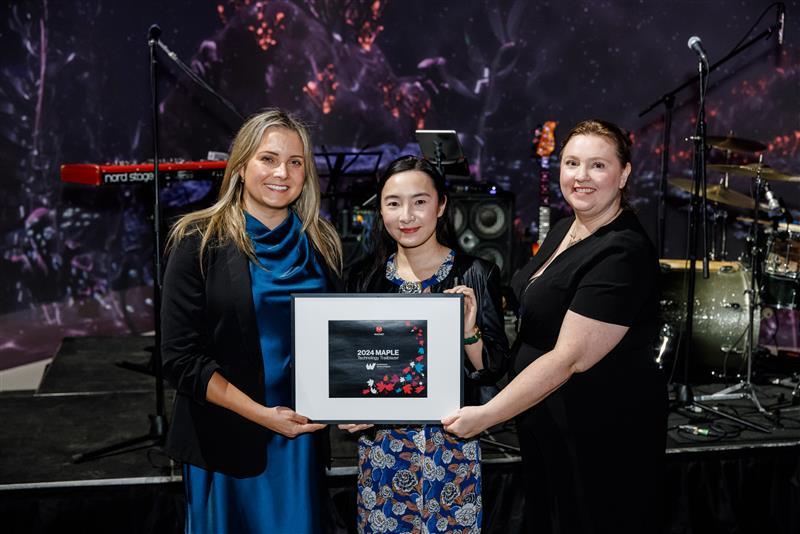
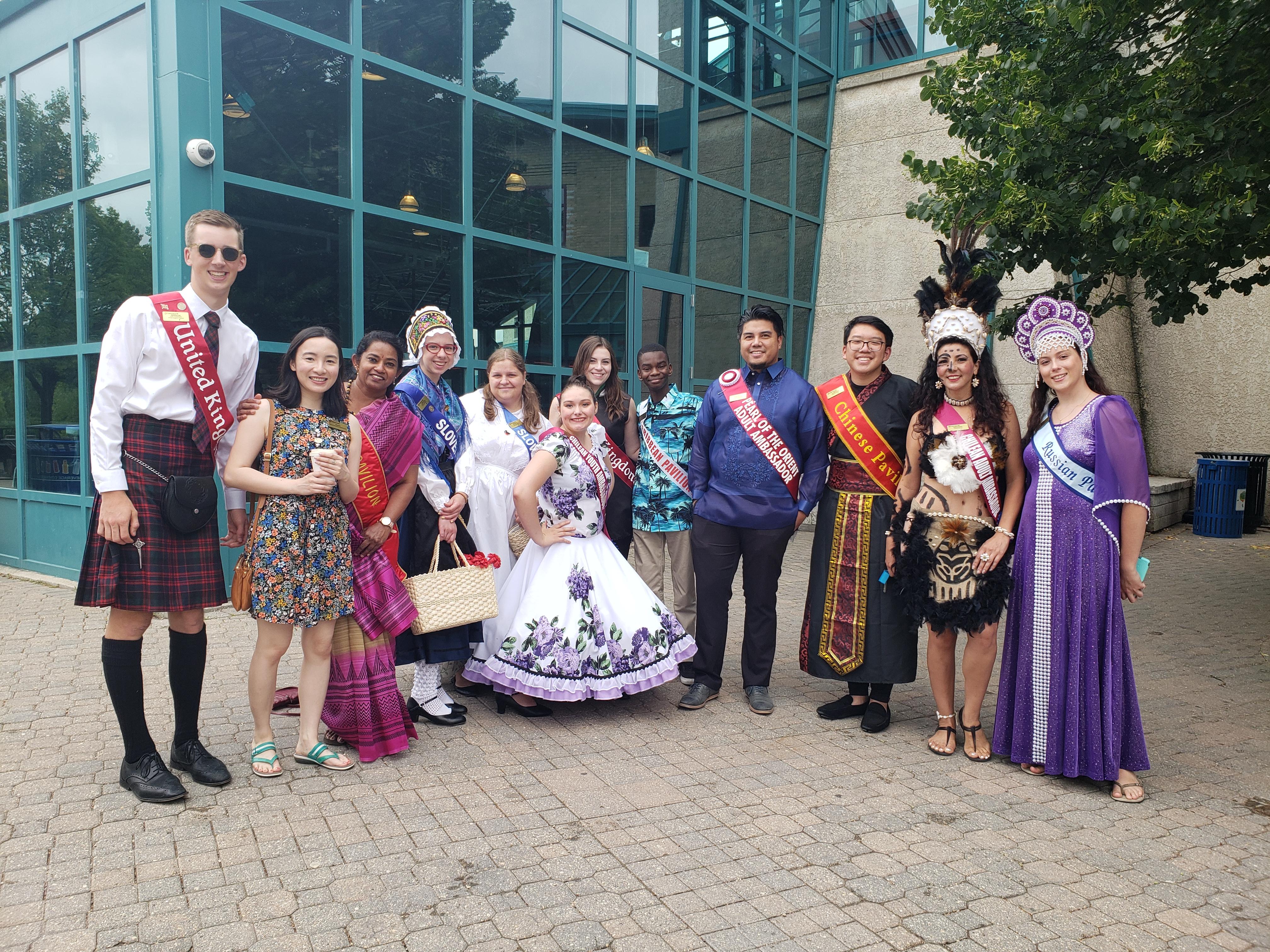
It wasn’t until over a decade later that I began to consider obtaining my PMP certification. If you looked at my resume, I wouldn’t describe my project management experience as “textbook”. However, you would see a consistent thread: launching new initiatives quickly, aligning stakeholders around shared outcomes, and getting meaningful things done for local businesses and communities. I’ve been fortunate to have lived many colourful career lives: serving as an operations director for the world’s largest and longest-running multicultural festival; collaborating with two major post-secondary institutions to develop new curriculum; receiving recognition for launching an innovative, award-winning recruitment platform; and leading a $12.5 million workforce initiative that helped hundreds of Manitoba businesses bounce back from the pandemic.
It was fulfilling and rewarding to see the positive impacts my projects had in helping businesses grow, communities thrive, and people succeeding. I’ve built up a strong network across industry groups, educational institutions, non-profits, and economic development associations in Manitoba and across Canada. At networking events, I genuinely enjoy running through my mental Rolodex and connecting people with the right tools, resources, and introductions.
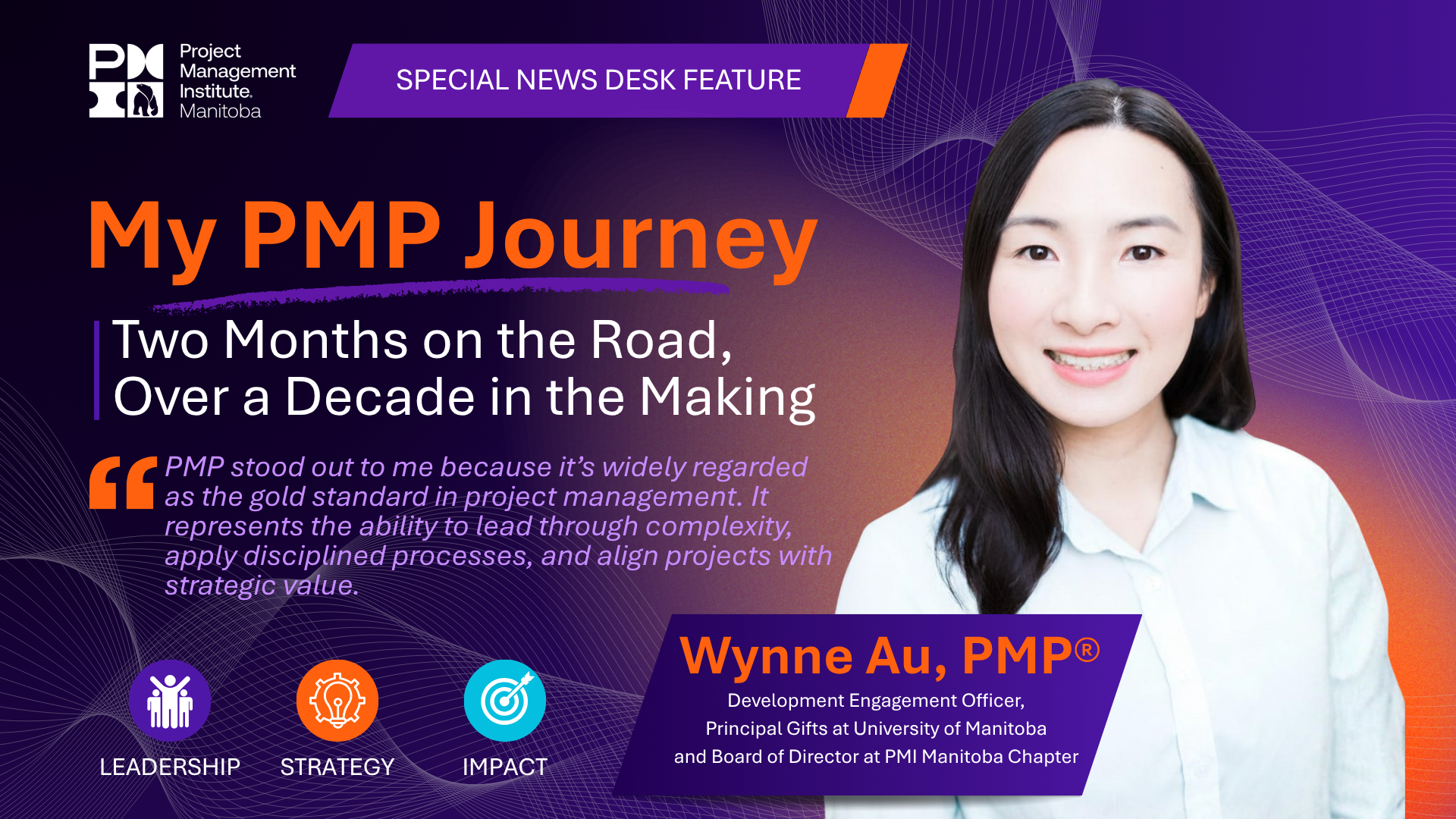
More recently, while working in talent and workforce development, I began reflecting on my own professional growth. PMP stood out to me because it’s widely regarded as the gold standard in project management. It represents the ability to lead through complexity, apply disciplined processes, and align projects with strategic value.
My path to PMP certification: The real work behind the three letters
PMP continues to gain momentum because it provides a common language, transferable framework, and valuable core skills. Several friends and colleagues have asked whether pursuing the PMP was worth it. With the certification gaining recognition across industries, I wanted to share my experience.
Many of my peers prepared comfortably over six to eight months while balancing full-time work and family commitments. I chose a completely different route: an accelerated two-month study timeline on my first attempt. I even took an intentional career break to fully invest in myself.
Was it attainable? Yes.
Would I recommend this pace to everyone? No.
Was it a little crazy? Perhaps.
It was intense and required serious discipline, along with strong support from family, friends, and peers for which I’m deeply grateful. Whether your timeline is two months or eight, success comes from engaging deeply with the study material and strengthening your problem-solving mindset. The exam challenges how you think. It asks: What’s the best action at this moment, given this scenario? Not simply, What’s the definition? What do your notes say?
The PMP application process through the Project Management Institute (PMI)
PMI.org provides a helpful overview of the certification pathway. I qualified under ‘Set B Requirements’, which includes:
- A bachelor’s degree (shoutout to the University of Manitoba’s Asper School of Business for my BComm),
- 36 months of project management experience within the past eight years, and
- 35 hours of formal project management education (which I completed through a handful of PMI-approved LinkedIn Learning courses).
The application is completed online and allows you to save as you go. Once submitted, processing typically takes five to seven business days. After approval, you have 12 months to write the exam, with up to three attempts (each attempt requiring an exam fee).
“Oh no! I was selected for an audit.”
Breathe; don't freak out. You’re not a bad person. Know that applications are randomly selected to maintain the integrity of the certification. I was audited and had 90 days to upload my diploma and course certificates and gather references who confirmed my project experience through PMI’s application system.
Pro tip: I notified my references beforehand, so they knew to expect the automated email. The process within the application tracking system was straightforward and resolved quickly.
My study strategy
- I read the Project Management Body of Knowledge (PMBOK) Guide front to back.
- I committed pen to paper, writing notes by hand because it served as an important tool for learning and memory retention.
- I condensed each notebook section into one-page reference sheets.
- I subscribed to PMI Study Hall® PMP Plus and completed all modules, mini exams, and full-length practice exams. After each practice exam, I reviewed every incorrect answer carefully; not just what was wrong, but why it was wrong. Often it was a nuance in wording or perspective. If you’re consistently scoring around 70% on practice exams, you’re likely in a strong position.
- I also practiced sitting a full-length exam to build mental and physical stamina. The live exam is 180 questions in 230 minutes which equates to just over a minute per question.
I saw the value in PMI membership: access to the PMBOK Guide, discounted exam pricing, learning resources, and formal connection to the local PMI Manitoba community. PMI Study Hall® was one of my most valuable tools. It provided 20 mini practice exams, five full-length practice exams, and detailed explanations. The simulation format reduced exam-day anxiety because it mirrored the real interface. I also found David McLachlan’s YouTube channel helpful for breaking down scenario questions and strengthening testing mindset. To pursue my PMP certification, I invested $653 USD plus taxes:
- PMI Membership (including Manitoba Chapter): $169
- PMP Exam (member rate): $405
- PMI Study Hall® PMP Plus (three months): $79
Exam day
I strongly recommend taking the exam in-person at a Pearson VUE testing/Pearson Professional Assessments center. I had a positive experience at Pearson Professional Centre (Winnipeg South) at 1020 Lorimer Blvd. This centre has ample free parking (one less stress to worry about on exam day) and the reception and testing facilitator team created a welcoming and encouraging testing environment. Upon completing the exam, I immediately knew whether I passed or failed. The receptionist at the front desk already had a printout to give to me before I even retrieved my belongings from my assigned locker. I’m proud to share that I passed on my first attempt and scored Above Target in all three performance domains (People, Processes, Business Environment).
The line in the sand: Exam changes coming July 2026
The exam I wrote was aligned with the PMBOK Guide 7th Edition. It will remain in place until mid-2026. Beginning July 2026, the PMP exam will align with the 8th Edition, placing greater emphasis on the Business Environment domain to reflect the growing importance of strategic alignment, value realization, and organizational impact. If you’re considering the PMP, you’ll need to decide whether to pursue it under the current structure or prepare for the updated version.
Don’t do it alone
If you’re considering PMP, don’t pursue it because it’s trendy. Do it because it will challenge you to think differently and open more doors along your career journey you didn’t know existed. That’s how I recently landed my new, exciting role in the Donor Relations department at University of Manitoba. In the newly created role as Development Engagement Officer for Principal Gifts, I focus on confirming gifts of $1 million+ through meaningful partnerships with individuals, foundations, and corporations for transformational advancement of the University’s research, teaching, and learning. I get to work closely with academic leaders, senior administration, and donors to connect shared values with opportunities that create lasting impact within our communities. As I’ll always have a soft spot for talent and workforce development, I’m grateful to continue championing innovation, access, and opportunity through philanthropy.
Professional development may feel personal, but no one succeeds alone. One of the most significant parts of my journey was the support from the PMI Manitoba community and my broader professional network. When I initially shared my PMP intentions, I was overwhelmed by encouragement and helping hands. So, whether you have questions about study preparation, exam mindset, or simply want rallying from a friend who has recently walked the path, I’m happy to be your first cheerleader. I believe our Manitoban project community grows stronger when we learn from one another, champion one another, and raise the bar together. I warmly invite you to connect with me at an upcoming event or on LinkedIn.
Article written by:
Development Engagement Officer, Principal Gifts at University of Manitoba
Board of Director at PMI Manitoba Chapter
Author Bio: Wynne Au, PMP, is a proud Winnipegger with over 10 years of experience leading high-profile economic and community initiatives across Manitoba. She believes in disciplined execution, continuous growth, and purposeful collaboration that reduces duplication and drives meaningful outcomes. As an engaged member and Board of Director at PMI Manitoba and Chair of the Project of the Year (POY) Awards, Wynne is a natural connector who is passionate about sharing knowledge, fostering community, and helping others succeed in their career journeys.